Charged and Dangerous: What Lurks Inside Your Vintage RC's 30-Year-Old Battery Pack
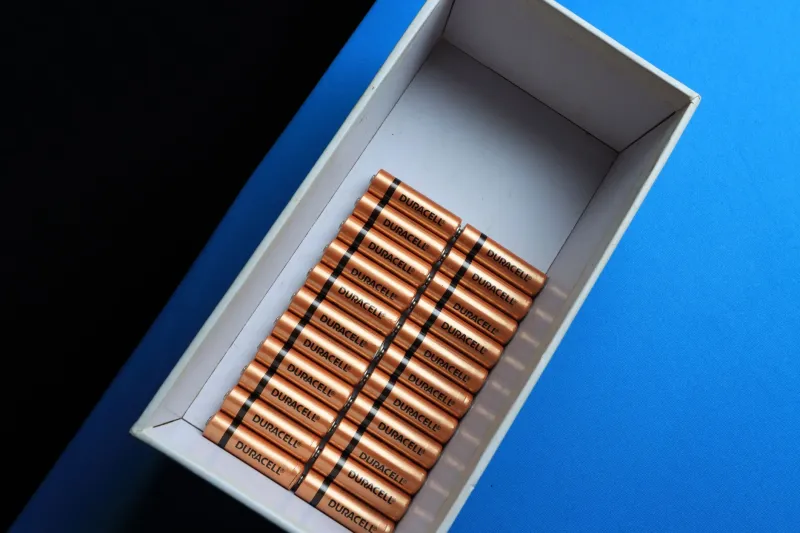
There's a particular kind of excitement that comes with cracking open a vintage RC haul from an estate sale or a dusty garage shelf. The car looks intact. The body's in decent shape. And tucked into the battery tray, wrapped in that familiar black shrink tubing, is the original pack. It's tempting to think, hey, free battery. Resist that temptation.
Vintage RC batteries aren't just old — some of them are genuinely hazardous. Understanding what you're actually dealing with, and knowing how to handle it correctly, is one of the most important skills a restorer can develop. Let's dig into the history of RC power systems and talk about what's safe, what's sketchy, and what belongs in the trash.
A Short History of RC Battery Chemistry
If your vintage machine dates back to the late 1970s through the mid-1990s, there's a very good chance it shipped with nickel-cadmium cells — nicad, in hobbyist shorthand. These rectangular or sub-C cylindrical packs were the industry standard for roughly two decades, and for good reason. They were reasonably robust, they could handle the high discharge rates that RC motors demanded, and they recharged reliably with the simple peak-detection chargers of the era.
Nicad packs had their quirks, though. They developed memory effect if you repeatedly charged them before fully discharging, gradually losing usable capacity over time. And cadmium — the "cad" in nicad — is a genuinely toxic heavy metal. Disposing of old packs improperly isn't just bad practice; in many states it's illegal.
By the mid-1990s, nickel-metal hydride (NiMH) cells started showing up in hobby shops as a cleaner, higher-capacity alternative. NiMH packs offered more run time in the same physical footprint and ditched the cadmium toxicity problem. They became the dominant chemistry through the early 2000s and are still widely available today.
Early lithium cells — specifically lithium-ion and the precursors to modern LiPo technology — started creeping into the RC market in the late 1990s and early 2000s. If you've got a vintage car from that transitional period, there's a small but real chance it came with an early lithium pack. Those are the ones that demand the most respect.
The Real Failure Modes You Need to Know About
Not all battery failures are equal. Understanding what can actually go wrong helps you make smarter decisions at the bench.
Nicad packs that have been sitting discharged for years are prone to cell reversal — a condition where a weak cell actually gets driven negative during discharge, permanently damaging the pack's chemistry. Visually, these packs often look fine. But when you put a meter on them, you'll find individual cells sitting at zero or even showing a negative voltage. A pack in this condition won't hold a charge worth using, and attempting to force-charge it can cause cells to vent or, in extreme cases, rupture.
Another nicad hazard is electrolyte leakage. The potassium hydroxide electrolyte inside these cells is caustic. If you see white crystalline deposits or dried residue around the cell welds or the shrink wrap seams, treat the pack like a hazmat item. Wear gloves, don't breathe the dust, and dispose of it at a proper battery recycling facility. Many Home Depot and Lowe's locations in the US accept rechargeable batteries through the Call2Recycle program — free and easy.
NiMH packs from the 1990s and early 2000s are generally safer in terms of failure mode, but they self-discharge dramatically over long storage periods. A NiMH pack that's been sitting for a decade may be so deeply discharged that standard chargers won't even recognize it. Some hobbyists use a low-current trickle charge to "wake" these packs before attempting a full charge cycle, but success rates are mixed. If the pack doesn't respond after a gentle revival attempt, let it go.
Early lithium packs are the ones that should genuinely concern you. Lithium chemistry that's been stored improperly — particularly at low state of charge over long periods — can develop internal dendrite growth or separator degradation. These conditions can lead to thermal runaway: a self-sustaining exothermic reaction that generates intense heat and, in some cases, fire. A swollen or puffed lithium pack is a serious warning sign. Do not charge it. Do not puncture it. Place it in a fireproof container, discharge it safely using a purpose-built lithium disposal bag, and recycle it.
Testing What You've Got
Before you write off every old pack in your collection, it's worth doing some basic diagnostics. A simple multimeter is your first tool. With a fully charged pack, check the overall voltage and compare it against the nominal rating. A six-cell nicad or NiMH pack should read around 7.2 volts nominal and closer to 8.4 volts freshly charged. Significant deviation tells you something's wrong.
For a more granular look, a battery capacity tester — the kind that discharges the pack at a controlled rate and measures actual delivered capacity — will tell you a lot more than a static voltage reading. These units run anywhere from $20 to $60 online and are worth every penny if you're working with a collection of unknown packs.
If a pack passes initial voltage checks, run it through a full charge-discharge cycle and note the capacity. A nicad or NiMH pack that delivers less than 60 percent of its rated capacity is marginal at best. Below 40 percent, you're just burning time.
Powering Your Vintage Car Without Destroying It
Here's where restoration philosophy meets practical engineering. Modern LiPo packs offer dramatically better energy density and performance than anything available when your vintage car was built — but they also run at different voltages and require different charging practices. Dropping a 2S LiPo into a car designed for a 7.2-volt nicad pack can over-voltage the motor and speed controller if you're not careful.
For most vintage builds, there are a few sensible paths forward. Rebuilding original-format packs with fresh sub-C NiMH cells is the most period-correct option and keeps voltage in the range the original electronics expect. Plenty of US-based hobby suppliers and small rebuilders still offer this service, or you can do it yourself with a spot welder and fresh cells from a reputable source.
If you're open to running modern chemistry, a 2S LiFe (lithium iron phosphate) pack is worth considering. LiFe cells run at a nominal voltage close enough to a six-cell NiMH pack that most vintage electronics handle them without issue, and they're considerably safer than standard LiPo chemistry. Just make sure your charger supports LiFe chemistry — not all do.
Whatever direction you go, invest in a quality charger with proper balancing and cutoff functions. The cheap wall-wart chargers that shipped with vintage RC kits in the 1980s are not appropriate for any modern cell chemistry and should be retired.
Respect the Tray
One last thing worth mentioning: the battery tray itself. Vintage chassis were designed around specific pack dimensions, and forcing an oversized modern pack into a tray that doesn't fit can stress the chassis, crack mounting tabs, or leave the pack insecurely held. A loose battery bouncing around inside a running car is a recipe for electrical shorts and damaged cells.
Take measurements before you buy replacement packs. When in doubt, stick to standard sub-C saddle pack or stick configurations that were common in the era your car came from. A little patience at the sourcing stage saves a lot of headaches at the track.
The batteries inside your vintage RC collection tell their own story about how the hobby evolved. Some are salvageable with a little effort. Some need to be retired safely and replaced. Knowing the difference isn't just about getting more run time — it's about protecting the irreplaceable machines you've worked hard to bring back to life.