Ghost in the Machine: How Modern Wireless Tech Is Haunting Your Vintage RC Signal
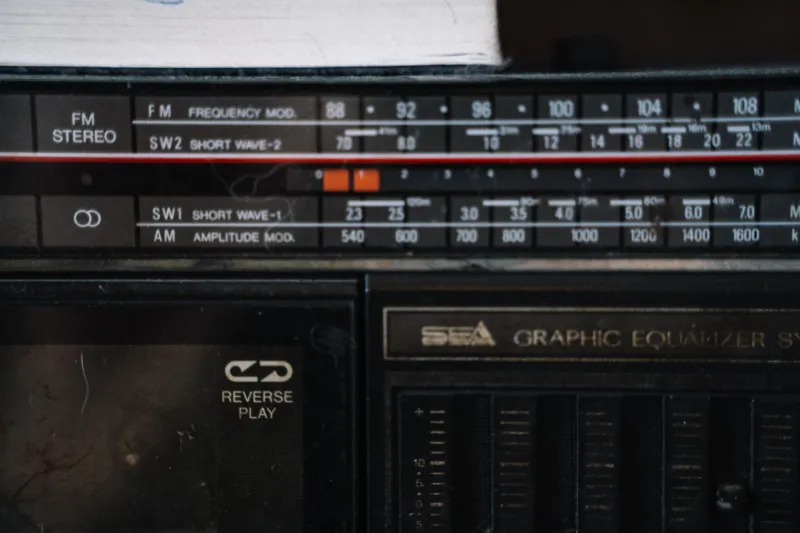
You've done everything right. The chassis is dialed in, the motor runs sweet, and the paint looks like it just rolled out of a 1989 hobby shop. You set your vintage RC car down on the parking lot, thumb the throttle — and the thing lurches sideways like it heard something you didn't. Welcome to radio frequency interference in the modern era, where your 27MHz crystal radio is sharing airspace with half the internet.
This isn't a fringe problem. Across the country, vintage RC enthusiasts are reporting increased signal issues at local meets, in suburban neighborhoods, and even indoors. The culprit isn't a bad servo or a dying receiver crystal. It's the sheer volume of wireless noise that now surrounds us every single day.
The Invisible Traffic Jam Above Your Head
Back when your Tamiya Grasshopper or Associated RC10 was new, the radio frequency landscape was pretty quiet. A handful of AM broadcast stations, maybe a neighbor's cordless phone, and a few other RC cars at the track — that was basically it. The 27MHz and 40MHz bands that most vintage RC equipment operates on had plenty of breathing room.
Fast forward to 2024 and the picture is completely different. WiFi routers, Bluetooth speakers, baby monitors, smart thermostats, 5G small cell towers mounted on utility poles, and a dozen other connected devices are broadcasting around the clock in virtually every direction. While most of that traffic doesn't land directly on 27MHz or 40MHz, the sheer density of RF energy in the environment creates what engineers call a "noise floor" — background static that makes it harder for your receiver to cleanly pick out your transmitter's signal.
Think of it like trying to have a conversation at a concert. Your vintage RC system was designed for a quiet room. Modern life turned that room into a stadium.
Why Vintage Gear Gets Hit Harder
Modern RC systems — 2.4GHz spread-spectrum radios — were specifically engineered to deal with interference. They hop between frequencies dozens of times per second, essentially finding clean channels automatically. Your vintage AM crystal radio does none of that. It locks onto one frequency and stays there, which means if anything is generating noise near that frequency, your receiver is going to feel it.
Crystal-controlled AM systems also have relatively limited range and signal strength compared to modern gear. The margin between "good signal" and "lost signal" is narrower than most people realize. In a cleaner RF environment, that margin is plenty. In a dense suburban neighborhood in 2024, that margin can shrink fast.
There's also the matter of aging components. Capacitors and resistors in 30- to 40-year-old receivers can drift from their original specifications, making the circuits slightly less selective — meaning they're a little less good at filtering out signals they shouldn't be listening to. A receiver that worked flawlessly in 1991 may be measurably more susceptible to interference today, even before you factor in the busier airspace.
Real Talk from the Track
Rick Callahan, who runs a vintage RC meetup outside Columbus, Ohio, says the problem started getting noticeable a few years ago. "We'd have guys show up with 27MHz cars and they'd be fine for a couple laps, then suddenly start drifting or just go full throttle into the barrier for no reason," he says. "At first we thought it was their equipment. Then we started noticing it was always the same guys — the ones running the older AM setups."
His club's solution was practical: they started designating specific frequency bands for each heat and using a frequency board the way tracks did back in the day. But they also started recommending that members running 27MHz gear consider their local environment before showing up. Guys who live near commercial corridors or newer housing developments with heavy smart home adoption were seeing the most issues.
Out in Portland, Oregon, hobbyist Dana Weiss had a similar experience with her vintage Kyosho Optima. "I'd take it to an older industrial park on weekends and it ran great. Then I tried running it in my neighborhood and it was like it had a mind of its own. I live in a pretty tech-heavy area and there's a 5G small cell literally on the corner of my street." Her fix was a combination of upgrading to a higher-quality aftermarket crystal set and switching to a 40MHz band instead of 27MHz, which she found slightly less congested in her area.
Practical Steps to Clean Up Your Signal
So what can you actually do? Here are some approaches that vintage RC enthusiasts are using right now to stay on the road.
Test your frequencies before you run. A cheap handheld RF scanner or even a purpose-built frequency checker can tell you what's active in your area before you put your car down. This takes about five minutes and can save you a ruined run.
Try switching bands. If you're running 27MHz, a 40MHz setup may give you a cleaner experience depending on your local environment — or vice versa. It varies by location and time of day, so experimenting is worth it.
Inspect and replace aging receiver components. A hobbyist with basic electronics skills can check capacitors in vintage receivers and replace ones that have drifted out of spec. This won't eliminate interference, but it can restore some of the selectivity your receiver has lost over the years.
Use a quality antenna. Coiled or poorly routed receiver antennas lose efficiency fast. Make sure your antenna wire is fully extended and not running parallel to motor wires or other electrical sources inside the chassis.
Consider a modern receiver retrofit. This is the nuclear option and definitely a philosophical debate in vintage RC circles, but some enthusiasts have installed 2.4GHz receivers while keeping original transmitter aesthetics or using period-looking cases. It solves the interference problem completely — though purists will have opinions.
Choose your running locations strategically. Parks, older neighborhoods, and rural areas generally have lower RF noise floors than commercial zones, new subdivisions, or anywhere near cell tower infrastructure. If you have flexibility in where you run, use it.
The Bigger Picture
None of this means your vintage RC car is obsolete or that running classic equipment is a lost cause. It means the hobby has a new variable to manage, the same way it always has. Vintage RC has always been about problem-solving — sourcing parts that don't exist anymore, making 30-year-old electronics behave, coaxing performance out of hardware that was never meant to survive this long.
RF interference is just the latest puzzle. And honestly, there's something kind of poetic about a hobby built around old-school radio technology having to navigate a world drowning in wireless signals. Your grandfather's crystal radio is still out there trying to be heard above the noise.
With a little patience and the right troubleshooting approach, it usually still can be.