Waterlogged and Worried: How to Rescue Your Vintage RC Cars After a Flood or Moisture Disaster
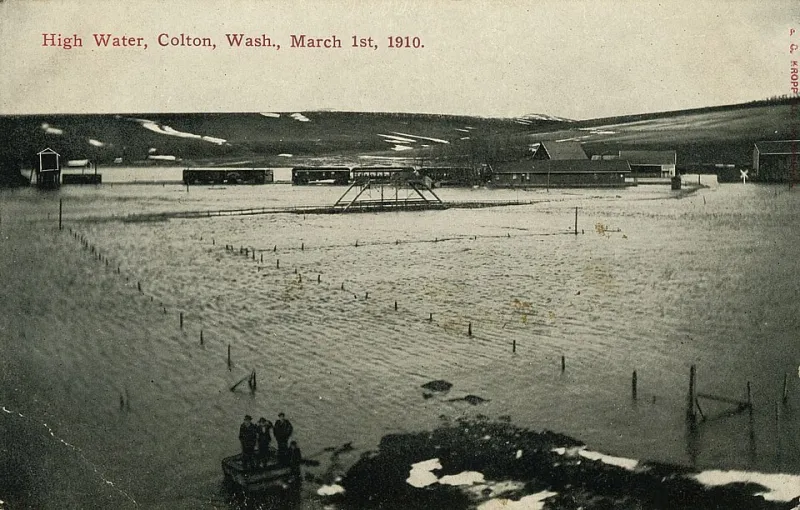
Photo: Steve Shook from Moscow, Idaho, USA, CC BY 2.0, via Wikimedia Commons
It's a gut-punch moment every collector dreads. You head down to the basement after a heavy rainstorm, or you finally crack open that storage unit you've been renting since 2019, and you're greeted by standing water, rust bloom, and the unmistakable smell of something going very wrong. Your vintage RC cars—the Tamiya Frog you spent months tracking down, the Associated RC10 you built from a kit in 1987—are sitting in it.
Take a breath. Don't panic-toss anything yet. Water damage looks catastrophic, but with the right approach you can save a surprising amount of what matters most. The key is moving quickly and thinking like a mechanic, not a mourner.
First 30 Minutes: Get Everything Out and Dry
Speed is your best friend in the first stage. The longer metal components sit in moisture—especially if that moisture has picked up any soil, rust particles, or basement crud—the faster oxidation sets in. Pull every car, every parts bag, every box of spares out of the wet zone and get them into a dry, well-ventilated space immediately.
Don't stack anything. Lay cars out individually so air can circulate around all sides. If you have a fan, point it at the collection. A dehumidifier running in the same room is even better. In warmer months, an open garage with cross-ventilation works great. The goal right now is simply stopping the active moisture exposure—you're not restoring anything yet, you're just stopping the bleeding.
Remove batteries from any car that still has them installed. Old NiMH and NiCd packs that have been sitting in water are done—don't try to charge or use them. They're a safety hazard at this point, so bag them separately for proper disposal.
Triage: Sorting What You've Actually Got
Once everything is out and starting to dry, it's time to make some honest assessments. Not all water damage is equal, and not all components fail the same way. Work through your cars one at a time and sort them into rough categories.
Surface rust and grime only. If the chassis is metal but the corrosion is just surface-level—light orange bloom on screws, a little discoloration on shock shafts—you're in good shape. This stuff cleans up with penetrating oil, fine steel wool, and patience.
Electronics exposure. This is where things get dicey. Speed controllers, receivers, and servo boards that have been submerged need to be inspected carefully. Check for visible corrosion on circuit boards, particularly around solder joints and connector pins. Isopropyl alcohol (90% or higher) and a soft-bristle toothbrush can clean oxidation off boards, but if you see green or white corrosion that's eaten into the traces, that component is likely toast.
Structural damage. Vintage plastic chassis can warp if they've been sitting in warm water for an extended period. Lexan bodies may be fine, but older ABS plastic parts—particularly on cars from the early-to-mid 1980s—can become brittle or distorted. Hold chassis up to a light source and check for cracks that weren't there before.
Rubber and foam. Tires, foam inserts, and o-rings absorb water but usually recover fine after drying. The exception is really old foam that was already deteriorating—prolonged moisture exposure tends to finish it off.
Component-by-Component Recovery Protocol
Once you've sorted your cars, work through them systematically rather than trying to tackle everything at once.
Gearboxes and differentials should be opened up, drained, cleaned with isopropyl alcohol, and re-greased. Water in a gearbox doesn't just cause rust—it emulsifies the lubricant and turns it into a useless gray paste. Any bearings that feel rough or gritty after cleaning should be replaced. Fortunately, standard RC bearing sizes are still widely available and cheap.
Shock absorbers need to be disassembled, drained, and rebuilt. Vintage shocks that have taken on water will have contaminated fluid and potentially corroded shock shafts. Replacement shock fluid is inexpensive; polishing a pitted shock shaft with 2000-grit wet-dry sandpaper can sometimes bring it back if the corrosion is minor.
Electronics triage deserves its own focused session. After cleaning boards with isopropyl alcohol, let them dry completely—we're talking 24 to 48 hours in a warm, dry environment—before applying any power. Plugging a wet board into a charged battery pack is a great way to turn a salvageable component into a confirmed write-off. If you have a multimeter, check for shorts across power rails before powering anything up.
Hardware and fasteners are the unsung victims of water damage. Vintage Phillips-head screws that have surface rust will strip almost immediately under a screwdriver. Replace them proactively with stainless steel equivalents while you have the car apart. It's cheap insurance against future frustration.
Knowing When to Cut Losses
This is the hard part, and there's no shame in it. Some things just don't survive a serious flood, and chasing a full restoration on a heavily damaged car can become a money pit fast.
If a vintage speed controller has visible board damage and a replacement isn't available or costs more than the car is worth, that's a real conversation to have with yourself. Same goes for cracked or warped chassis on cars where reproduction parts don't exist. Sometimes the smarter move is parting out a heavily damaged car to fund the restoration of one that has a better prognosis.
That said, don't make those calls while you're still in panic mode. Give yourself a few days to dry things out, clean what you can, and assess with clear eyes. What looks hopeless on day one sometimes looks very different on day four.
Prevention for Next Time
Once you've made it through the recovery process, it's worth spending a few minutes thinking about storage upgrades. Vintage RC cars stored in clear, sealed plastic bins—elevated off the floor on shelving—survive all kinds of basement drama that would destroy a cardboard-box collection. Silica gel packets inside the bins help manage humidity over the long term. If you're in a flood-prone area, consider a climate-controlled storage unit for your most valuable pieces.
Water is patient and relentless, but so are vintage RC collectors. With the right approach, most of what you love can be brought back. Work the problem, stay methodical, and don't give up on the good stuff too soon.