Lost Frequencies: The Old-School RC Radio Bands That Defined the 80s and Whether You Can Still Race Them Legally
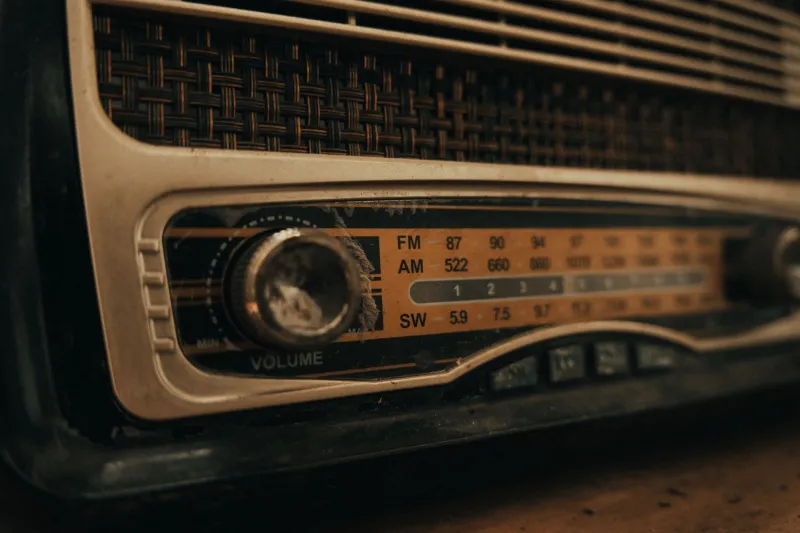
Walk into any RC race in the 1980s and the first thing you'd notice wasn't the roar of nitro engines or the smell of fuel — it was the flag board. A sea of colored pins and numbered flags hanging near the starting line, each one claiming a frequency for the day. Step on someone else's channel and you'd send their car into a wall at full throttle. That flag board wasn't just a courtesy system. It was survival.
Those frequencies — the ones your old Futaba or Kraft transmitter was built around — are largely ghosts now. The hobby moved on. But the bands themselves? Some of them are still very much alive, at least on paper. And for a certain breed of vintage RC enthusiast, that's all the invitation they need.
The Frequency Landscape Before 2.4GHz Changed Everything
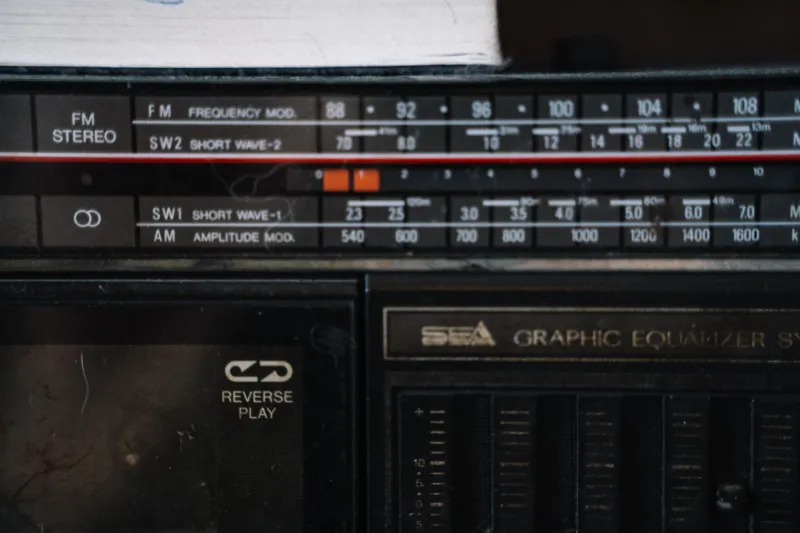
Through most of the 1970s and into the late 1980s, RC cars in the United States ran on a handful of designated frequency bands under FCC Part 95 rules. The two main ones you'll hear about in vintage circles are the 27 MHz band and the 75 MHz band, though 72 MHz was reserved strictly for aircraft and is a conversation for another day.
The 27 MHz Citizens Band — yes, the same neighborhood as CB radio — was the wild west of RC frequencies. It was cheap, accessible, and absolutely chaotic at any large event. Interference from CB truckers, garage door openers, and other hobbyists was a real and constant problem. Cars would twitch, veer off course, or go full-throttle into a hay bale for no apparent reason. You learned to live with it, or you upgraded.
The 75 MHz band was the upgrade. Cleaner, more purpose-built for surface RC use, it became the standard for serious club racing through the 1980s and into the 1990s. Transmitters from that era — your Airtronics Vanguard, your early Futaba Attack, your Associated RC systems — were built around specific crystal-controlled channels within this band. Each channel had a designated frequency, and you swapped crystals in both the transmitter and receiver to change channels. Simple, mechanical, and deeply satisfying in a way that menu-driven digital systems just aren't.
What the FCC Actually Says Right Now
Here's where things get interesting for the vintage purist crowd. Despite the near-total industry shift to spread-spectrum 2.4GHz technology, the FCC hasn't actually pulled the plug on the old RC bands. As of current regulations, 27 MHz RC operation is still legal under Part 95 rules for surface vehicles. The 75 MHz band also remains allocated for RC surface use under Part 95, though equipment must still meet the original technical standards it was certified under.
What that means practically: if you have a vintage transmitter and receiver that were FCC-certified when they were made — and most major-brand gear from the 80s was — you can legally operate them today, provided the equipment still functions within its original specifications. You're not required to re-certify old gear just because it's old. The certification that existed at manufacture still counts.
The catch is interference management. Running 27 MHz at a club event where other people have modern equipment is generally a non-issue since most modern gear ignores those frequencies entirely. Running it alongside other 27 MHz or 75 MHz operators requires the same old crystal discipline and flag-board courtesy that racers used back in the day. Nothing has changed there.
One thing to be clear about: modifying vintage radio equipment to operate outside its original certified parameters is a different story entirely. Don't do it. Run the gear as it was built, on the channels it was designed for, and you're on solid legal ground.
Why Some Vintage Racers Actually Prefer It This Way
Ask a period-correct vintage RC enthusiast why they're still running a 75 MHz system and you'll get a surprisingly thoughtful answer. It's not just nostalgia, though that's definitely part of it. There's a skill element to operating crystal-controlled radio gear that modern 2.4GHz systems have completely automated away.
Coordinating frequencies at an event, physically swapping crystals, understanding that your control link is a specific, finite slice of the radio spectrum rather than a magic invisible handshake — it changes how you relate to the equipment. The radio system becomes part of the car's character, not just a commodity accessory.
For concours-style vintage events and period-class racing, running era-correct radio gear is sometimes a requirement or at least a strong cultural expectation. Showing up to a 1985 Tamiya class race with a modern Spektrum transmitter technically works, but it's a little like wearing a digital watch to a black-tie dinner. Technically fine. Socially noticed.
Sourcing and Testing Vintage Radio Gear Without Getting Burned
Finding working 75 MHz or 27 MHz gear in 2024 takes some patience, but it's far from impossible. eBay is the obvious starting point — search for specific brands like Futaba, Airtronics, Kraft, or Associated along with "75MHz" or "FM surface" and you'll turn up results. Swap meets, estate sales, and vintage RC Facebook groups are also productive hunting grounds, often with better prices and sellers who actually know what they're parting with.
When you're evaluating a find, here's what to look for:
Check the crystals first. A transmitter without its matching crystal pair is only half the equation. Replacement crystals for common 75 MHz channels are still available from specialty suppliers like Boca Bearing or through dedicated vintage RC parts dealers, but not every channel is still in production. Know your channel before you commit to a purchase.
Look for corrosion in the battery compartment. Old alkaline batteries are the single biggest killer of vintage radio gear. A transmitter that otherwise looks pristine can have completely corroded internals if it sat with old batteries. Bring a flashlight to swap meets.
Test range before you trust it at the track. Even if a system powers up and responds, range can degrade significantly in aging equipment. Do a basic range check — most vintage manuals specify a minimum distance with the antenna collapsed — before running anything at speed. A servo that glitches at 30 feet is not a race-day system.
AM versus FM matters more than you might think. Early 27 MHz systems were often AM modulation, which is noisier and more interference-prone than FM. If you're running 27 MHz, FM equipment from the late 80s is noticeably more reliable. Know which type you're buying.
The Living History Angle
There's something genuinely cool about the fact that you can still legally operate the same radio frequencies that were being used at ROAR nationals in 1984. The equipment exists, the regulations permit it, and the knowledge to use it properly is still out there — in old manuals, in the heads of longtime hobbyists, and increasingly in online communities dedicated to keeping this stuff alive.
Vintage RC isn't just about the cars. It's about the whole system — the radio gear, the charging equipment, the tuning rituals, the social dynamics of sharing limited airspace with your fellow racers. Running period-correct frequencies puts all of that back in the picture.
If you've got an old transmitter sitting in a bin somewhere, it might be worth dusting it off and finding out exactly what channel it's on. You might be surprised how much life is still left in those old frequencies — and how much fun it is to rediscover them.