Rust Never Sleeps: Identifying and Stopping the Three Killers of Vintage RC Metal
There's a particular kind of heartbreak that comes with pulling a vintage RC car out of a storage bin after a few years and finding something you didn't put in there. A dusty orange smear on a chassis rail. A white powdery crust around an aluminum hub. Two different metals locked together in a slow electrochemical war that started the moment someone bolted them together in 1987. Corrosion is patient. It doesn't care that your Tamiya Frog is worth $400 or that your Associated RC10 has sentimental value you can't put a price on. It just keeps working.
The good news? Corrosion is also readable. Each type leaves a different fingerprint, attacks different materials, and responds to different treatments. If you know what you're looking at, you can catch it early, stop it in its tracks, and in many cases reverse the damage before anything becomes truly irreplaceable. Let's break down the three main offenders and talk about how to handle each one.
Surface Rust: The One Everyone Recognizes (But Often Misreads)
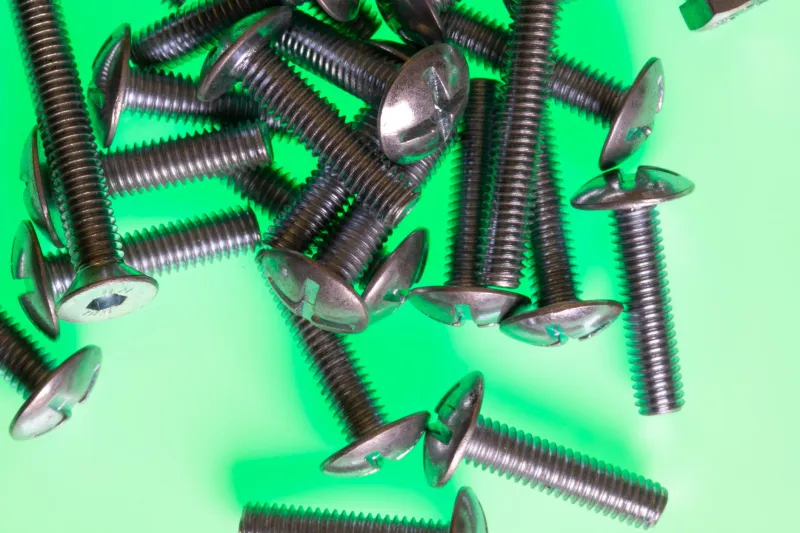
Surface rust is the most visible form of corrosion, and ironically it's the one hobbyists tend to mishandle the most. You see that orange-brown film on a steel screw, a shock shaft, or a motor can, and your first instinct is to grab the wire brush and go to town. Slow down.
Not all surface rust is the same depth. What looks like a light dusting on a shock shaft might actually be pitting that's worked its way into the metal's surface layer. Aggressive mechanical removal on a precision part can do more damage than the rust itself, leaving micro-scratches that accelerate future oxidation and compromise tolerances that matter for smooth suspension travel.
For light surface rust on non-critical hardware — chassis screws, body mounts, battery strap brackets — a soak in a phosphoric acid-based rust converter (Naval Jelly is the old standby, and it still works fine) will chemically neutralize the iron oxide and leave a primer-ready surface. For more delicate parts like shock shafts and steering linkages, a rust eraser or 0000 steel wool used with penetrating oil is gentler and gives you more control.
Real-world example: A reader in coastal Georgia sent us photos of a mid-80s Kyosho Optima he pulled from his father's workshop. The shock shafts looked almost black with surface oxidation. After a 20-minute soak in penetrating oil followed by careful work with a brass brush — not steel — most shafts cleaned up to near-original finish. Two had actual pitting deep enough to cause seal leakage and needed replacement. Catching it early would have saved all four.
Galvanic Corrosion: The Invisible Grudge Match Between Dissimilar Metals
This one is sneakier, and a lot of vintage RC restorers don't recognize it until they're fighting a fastener that's essentially welded itself in place. Galvanic corrosion happens when two different metals are in direct contact in the presence of an electrolyte — and in a hobby where aluminum chassis meet steel screws, brass inserts live next to titanium hardware, and moisture from condensation is a constant guest, the conditions are basically always right.
The classic scenario: you're trying to remove a steel screw from an aluminum chassis block on a car that's been stored in a humid basement in, say, Tennessee or Florida. The screw won't budge. You apply more torque. The head strips. Now you've got a broken fastener in an aluminum block that might crack if you try to drill it out. What happened is that the steel and aluminum formed a galvanic couple, with the aluminum acting as the sacrificial anode and slowly corroding around the fastener's threads, essentially fusing them together.
Identification is straightforward once you know what to look for: white or grayish corrosion product around the base of steel screws in aluminum parts, a chalky residue at the contact point between two different metal components, and — the telltale sign — fasteners that feel fine until you try to turn them and then offer almost zero movement.
Prevention here is genuinely simple and costs almost nothing. Anti-seize compound on any steel fastener going into aluminum, period. Dielectric grease at metal-to-metal contact points where you're not worried about conductivity. If you're reassembling a restored car that'll live in a humid climate, this step is non-negotiable. For stuck fasteners already in place, penetrating oil applied over multiple days — not hours — is your best option before applying any torque.
White Oxide Corrosion: The Powder That Means Your Aluminum Is Losing the Fight
That chalky white powder showing up on your aluminum parts isn't dust. It's aluminum oxide, and it means the surface protection on your metal has broken down enough that oxidation is actively progressing. You'll see it most often on bare aluminum chassis rails, hop-up parts from the late 80s and early 90s, and anywhere anodizing has been scratched or worn through.
Here's the complicated part: aluminum oxide is actually somewhat self-limiting in dry conditions. The oxide layer that forms can act as a barrier against further corrosion. But in humid environments — think garages in the Pacific Northwest, storage units in the Southeast, or anywhere that sees temperature swings that cause condensation — that oxide layer stays porous and the corrosion continues working inward.
For cleaning existing white oxide, a paste of baking soda and water applied with a soft toothbrush works well for light cases. For heavier buildup, a diluted white vinegar solution (roughly 1:4 vinegar to water) applied carefully and rinsed thoroughly will dissolve the oxide without damaging the underlying metal. Avoid anything highly alkaline on aluminum — it'll accelerate the corrosion rather than stop it.
After cleaning, protecting bare aluminum is critical. A light coat of clear lacquer, a proper anodizing job if you have access to a local shop, or even a quality paste wax creates a barrier between the metal and moisture. It's not a permanent fix, but it dramatically slows the process.
A Prevention Checklist for Every Storage Climate
Where you live matters more than most hobbyists realize when it comes to corrosion management. Here's a quick-reference checklist tailored to US regional conditions:
Humid Southeast and Gulf Coast (Florida, Louisiana, Georgia, coastal Texas):
- Store cars in sealed plastic bins with fresh desiccant packs, replaced every six months
- Apply anti-seize to all dissimilar metal fastener points before storage
- Check stored cars every 90 days minimum
- Consider a small dehumidifier in your storage space if you're running a collection
Pacific Northwest (Oregon, Washington, northern California coast):
- Same desiccant protocol as above
- Pay special attention to motor cans and internal metal components — the persistent damp here is particularly aggressive
- Silicone spray on exposed steel parts before long-term storage
Arid Southwest (Arizona, Nevada, New Mexico):
- Corrosion risk is lower but not zero — temperature extremes cause condensation
- Plastic brittleness is a bigger threat here, but don't skip the basic metal protection steps
Midwest and Northeast (seasonal humidity and temperature swings):
- The freeze-thaw cycle is your enemy — moisture gets in during warm periods and then gets locked into micro-crevices
- Inspect all fasteners and joints every spring when you pull cars out of winter storage
- Never store cars in uninsulated spaces like detached garages or sheds if you can avoid it
The Bottom Line
Corrosion is a slow-motion crash, but it's one you can see coming if you're paying attention. The hobbyists who lose irreplaceable parts to rust and oxidation are almost always the ones who stored their cars without thinking about the environment those cars were going into. A few dollars in desiccant, a tube of anti-seize, and a quarterly inspection habit will do more for the long-term health of your collection than any restoration tool you can buy.
These cars survived thirty or forty years to get to you. A little preventive chemistry is the least you can do to make sure they survive another forty.