Rev Up Your Neighborhood: A Step-by-Step Playbook for Throwing a Killer Vintage RC Meet
Photo: Biswarup Ganguly, CC BY 3.0, via Wikimedia Commons
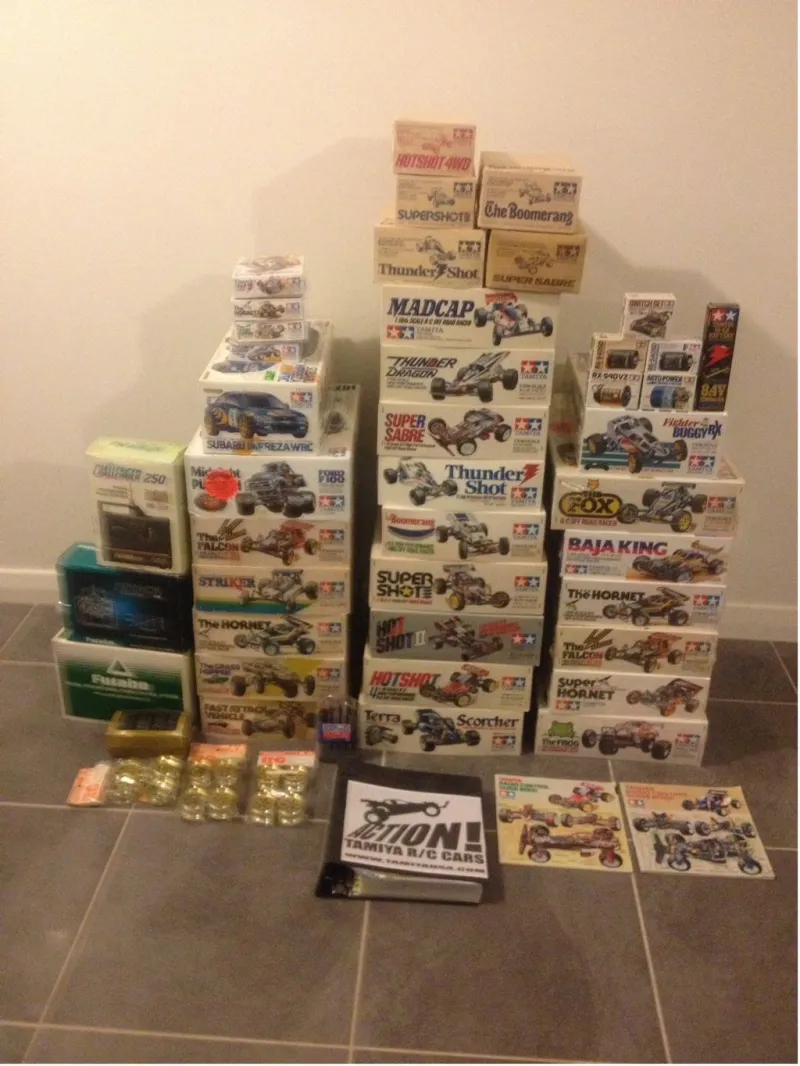
Something shifts when vintage RC cars stop living on a shelf and start turning laps in front of an audience. A Tamiya Hornet that's been sitting in a display case for twenty years looks completely different when it's sliding through a dirt corner at full throttle while a crowd of fellow enthusiasts loses their minds. That's the magic of a well-run vintage RC meet — and it's more achievable than you probably think.
Events like the Midwest Vintage RC Invitational and various regional "Old Iron" gatherings around California, Texas, and the Southeast have proven that these meets draw real crowds and build genuine community. You don't need a big budget or a professional event background. You need a plan, some hustle, and a willingness to send a few emails.
Here's how to make it happen.
Step One: Lock Down Your Venue Early
This is the step most first-time organizers underestimate. Finding a space that works for vintage RC racing or display takes more legwork than it sounds.
Your best options, roughly in order of ease:
Local hobby shops are the natural starting point. Many shops actively want events because foot traffic translates to sales. Approach the owner with a clear pitch: you'll promote the event, handle setup, and bring customers through the door. Most shops with any outdoor space can accommodate a basic oval or figure-eight layout.
Community parks and recreation centers are another strong option, especially for larger meets. Most US cities and counties have a permit process for organized events in public parks. Fees vary widely — some municipalities charge nothing for small community gatherings, others charge $50–$200 for a day permit. Call your local parks and rec department directly; the process is usually simpler than it looks on paper.
Private land — a large parking lot, a farm property, a school after hours — can work beautifully if you have the right connections. Always get written permission, even if it's just a text chain you screenshot.
Whatever venue you choose, walk the space before you commit. Look for: adequate flat surface for a track layout, shade or shelter options (summer events in Phoenix without shade are brutal), parking for attendees, and access to a power outlet if you're running any electronics or sound.
Step Two: Build Your Track Layout
You don't need to rent a backhoe and pour a concrete oval. Some of the best vintage RC track setups are built from nothing more than orange construction cones, pool noodles, and a can of marking spray.
For a first event, keep the layout simple. A basic oval or a flowing figure-eight gives everyone clean racing without demanding expert driving skills. Remember, your attendees are going to be running 30-year-old hardware — tight technical sections that punish vintage suspension geometry aren't fun for anyone.
If you're on dirt or grass, a little water from a garden hose can tame dust and improve traction. On pavement, nothing beats a clean surface and clearly marked course boundaries.
Set up a designated pit area away from the track — tables, power strips for charging, and enough space for people to work on their cars without getting in each other's way. This area becomes the social hub of the whole event.
Step Three: Set Up Fair Competition Classes
This is where a lot of meets either shine or fall apart. Vintage RC cars span an enormous range of vintages, power levels, and build quality. Running a bone-stock 1985 Tamiya Sand Scorcher against a heavily modified vintage-bodied electric is a recipe for frustration.
Keep your class structure simple but clear. A solid starting framework:
- Stock Vintage Class: Cars running period-correct or equivalent electronics, no modern brushless systems, stock or vintage-spec motors only.
- Modified Vintage Class: Vintage chassis and bodies allowed with modern drivetrain upgrades — brushless, LiPo, etc.
- Display / Non-Racing Class: For collectors who want to show up and show off without racing. This class always draws a crowd and makes the event feel more like a celebration than a competition.
Post the class rules online at least two weeks before the event and stick to them. If you're lenient on tech inspection, word gets around fast.
Step Four: Promote Like You Mean It
A great event with zero attendees is just a guy running RC cars alone in a parking lot. Promotion matters.
Start with Facebook Groups — there are dozens of active vintage RC communities on Facebook where your target audience already gathers. Post your event details (date, location, class rules, contact info) at least four to six weeks out, then follow up with reminders at two weeks and one week.
Reddit's r/rccars community is worth a post. RC forums like RCTech and RCUniverse still have active vintage-focused sections. Local hobby shops will often put up a flyer if you bring one in.
Don't overlook your local community boards — physical flyers at hobby shops, hardware stores, and community centers still pull people in, especially older collectors who aren't spending their evenings on Reddit.
Step Five: Create an Atmosphere People Want to Come Back To
The logistics matter, but atmosphere is what turns a one-time event into an annual tradition.
Play era-appropriate music at a reasonable volume. Have a basic PA or Bluetooth speaker setup so you can announce heats and call drivers to the grid. A simple raffle — donated by your host hobby shop or attendees — adds excitement and helps cover event costs.
Make sure newer enthusiasts feel genuinely welcome. Veteran collectors can be intimidating without meaning to be. Designate a few experienced builders as informal "ambassadors" who are happy to answer questions and talk shop with newcomers.
Document everything. Photos, short video clips, even a basic event recap posted to social media afterward builds momentum for the next one. The best vintage RC communities in the US didn't happen overnight — they grew one well-run meet at a time.
One Last Thing
The vintage RC hobby thrives on shared enthusiasm. Every person who shows up to your meet carries a story — a car they found at a garage sale, a kit they built with their dad in 1987, a platform they've been hunting parts for across three states. Your job as an organizer is just to give those stories a place to intersect.
Get the cones out. Charge the batteries. Send the emails. The rest takes care of itself.